




Common Misconceptions
1. Home Batteries Are Only for Solar Users
2. Batteries Don’t Pay for Themselves
3. All Batteries Are the Same
4. Batteries Can Power the Whole Home Forever
5. Installation Is Complicated and Risky
Battery storage is a game-changer for solar panel users in the UK. Discover how storing excess solar energy can help you save more, rely less on the grid, and make the most of your investment.
Battery storage doesn’t just add convenience—it directly improves the financial return on your solar investment through several practical mechanisms:
Overall, these mechanisms work together to shorten the payback period of your solar system and deliver stronger, more consistent financial returns over its lifetime.
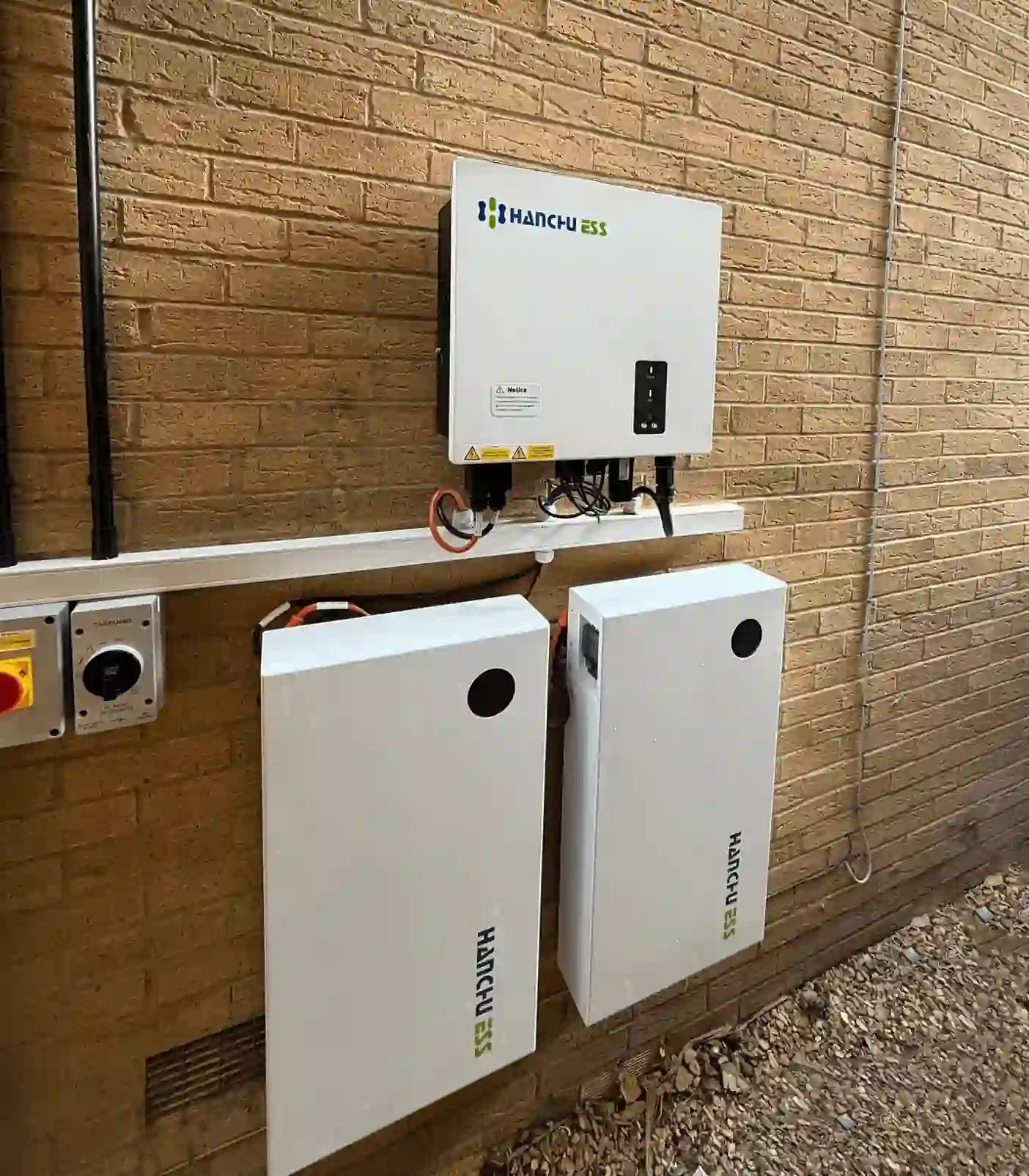
When adding battery storage to your solar panel system in the UK, there are several local factors that can influence performance, savings, and overall return on investment:
Smart Export Guarantee (SEG)
In the UK, excess solar energy can be exported under the Smart Export Guarantee. However, export rates are usually lower than the cost of buying electricity.
Time-of-use tariffs
Batteries allow you to store low-cost electricity and use it during peak hours, increasing savings.
Weather and daylight patterns
The UK has shorter daylight hours in winter and variable sunlight throughout the year. Battery storage helps balance this by storing energy when production is higher and using it when solar generation is limited.
Energy price volatility
Battery storage provides more control over your energy usage, helping protect against rising and unpredictable costs.
Grid reliability and outages
While outages are less common in the UK, they can still occur. Some battery systems offer backup power functionality, providing added security for essential appliances.
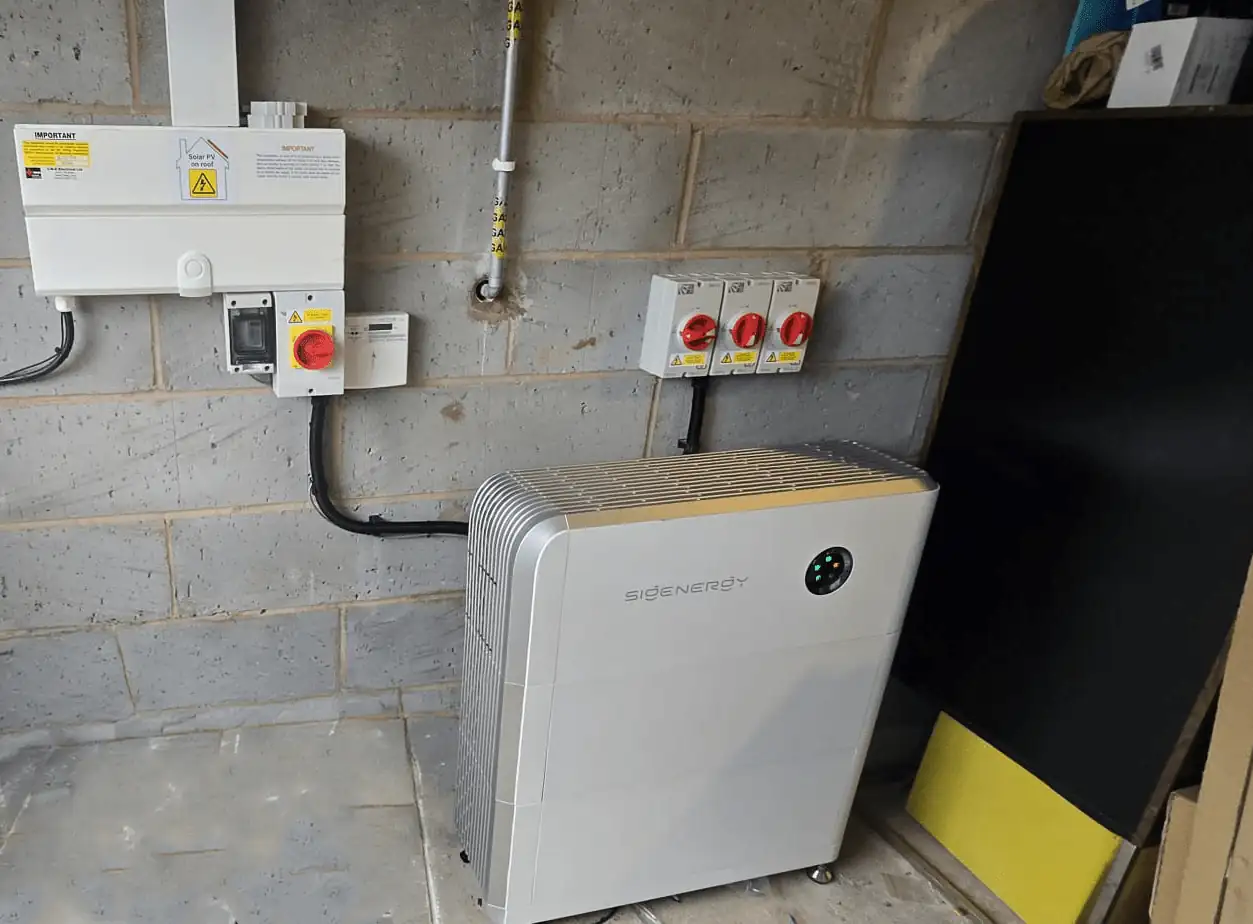
1. Assess Your Energy Needs - Determine how much electricity your household uses daily to select a battery that matches your consumption.
2. Choose the Right Battery Type - Lithium-ion, lead-acid, and flow batteries have different lifespans, efficiency, and costs—pick one that fits your needs.
3. Match Battery Capacity and Power - Ensure the battery can store enough energy and provide sufficient output for your home appliances.
4. Estimate Savings and Payback - Consider electricity rates, solar self-consumption, and EV charging to calculate potential annual savings and payback time.
5. Prioritize Safety and Warranty - Select a certified battery with a solid warranty to ensure reliability and protection for years to come.
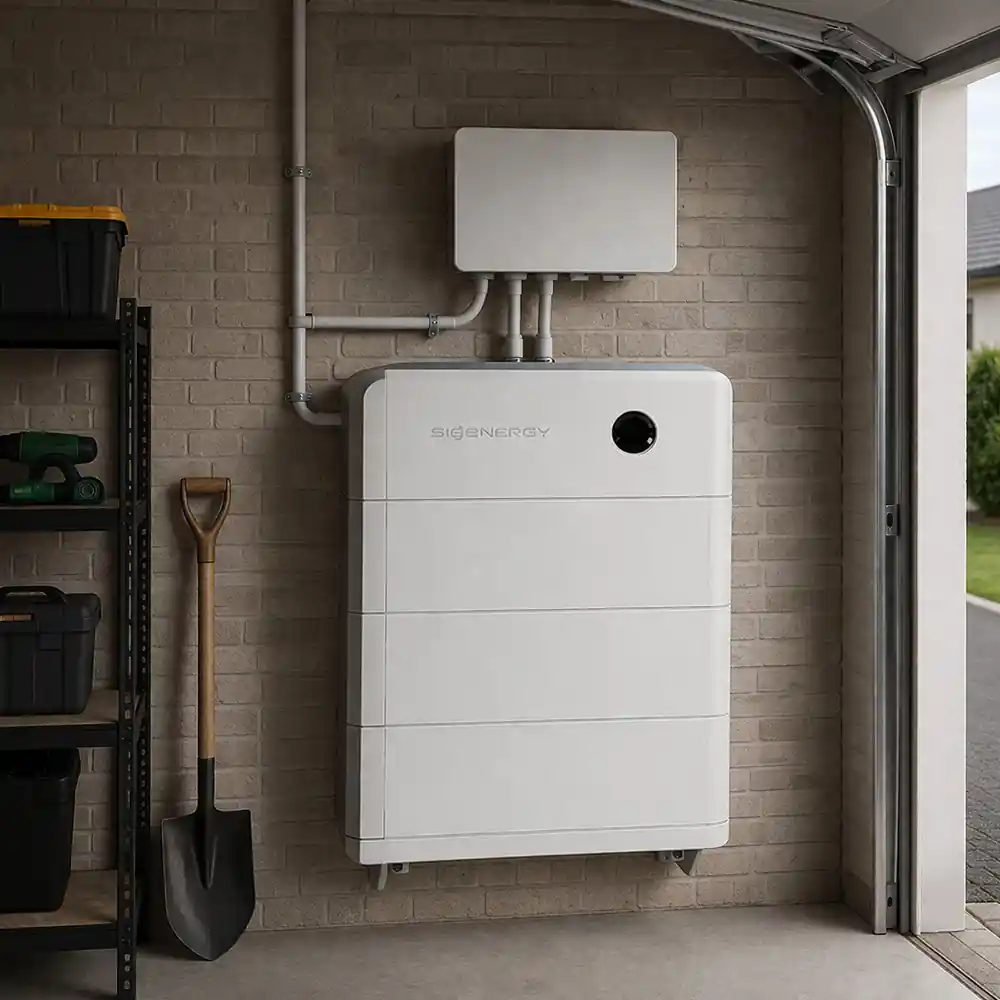
Example (Illustrative)
1. Home Batteries Are Only for Solar Users
2. Batteries Don’t Pay for Themselves
3. All Batteries Are the Same
4. Batteries Can Power the Whole Home Forever
5. Installation Is Complicated and Risky
Lithium-ion batteries are the most popular due to high efficiency, long lifespan, and compact size. Lead-acid is cheaper but less efficient, and flow batteries are long-lasting but more expensive and bulky.
Yes. A battery can reduce your electricity bills by increasing self-consumption of solar energy or storing off-peak energy. Typical payback ranges from 6–12 years depending on usage, tariffs, and battery size.
No. While pairing a battery with solar maximizes savings, you can also store energy from the grid during off-peak hours to lower costs.
Maximise the power of your solar panels with advanced solar battery storage. Store excess energy, reduce reliance on the grid, and lower your electricity bills. Get your free solar battery storage quote today.
Real review from happy customers

We had EWI, Central Heating & Loft Insulation done by Edanpower Contractors, the workmen were excellent from start to finish. All the Contractors were very polite, hard workers and all the work was completed to a very high standard! We would use them again and highly recommend them!
I had solar panels installed nearly 10 years ago (4kWh). Recently, I decided to have a heat pump installed and as a consequence had a battery installed. Once the battery and heat pump were installed, I realised that my solar installation would not be sufficient and approached Edanpower to install more solar panels (another 8kWh). Although the existing panels and inverter caused an issue with configuration into the battery, the engineer was able to configure it all so I can now see all the panels and the power being generated. I'm pleased with the service provided by Edanpower and would not hesitate to use them for any other solar panel/battery installation.
Rakesh was extremely helpful from the start, patient while I waited for funding and super speedy when it came to completing the work. Edan Power went above and beyond and jumped through hoops to getting us where we are today (a solar run company). The installation team was also extremely efficient and friendly. Would defiantly recommend :)
Excellent Job completed by Edan Power for our commercial solar install. Their fitting team are a credit to the company for working tirelessly to iron out any issues as it was a challenging install. A big thank you to Gugs for managing the whole project and making sure I was happy with the system.
You might also find these articles helpful
 Solar
Solar
 Solar
Solar
 Solar
Solar